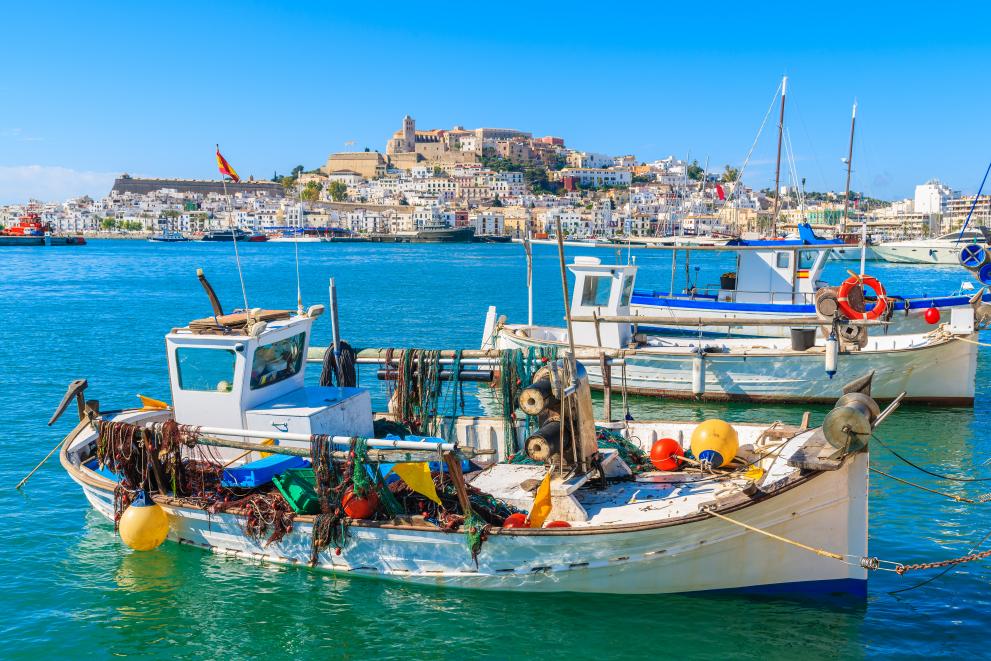
The industry encompasses the harvesting of renewable biological resources (primary sector), their conversion into food, feed, bio‐based products and bio-energy (processing) and their distribution along the supply chain.
The Marine living resources sector comprises three sub-sectors:
primary sector: capture fisheries (small-scale coastal, large-scale and industrial fleets) and aquaculture (marine, freshwater and shellfish);
processing of fish products: processing and preservation of fish, crustaceans and molluscs; meal preparation, manufacture of oils and fats and other food products;
distribution of fish products: retail sale of fish, crustaceans and molluscs in specialised stores and wholesale outlets.
The EU is the world's largest importer of fish. In the marine living resources sector, Spain leads the way, accounting for 21% of jobs and 18% of GVA.
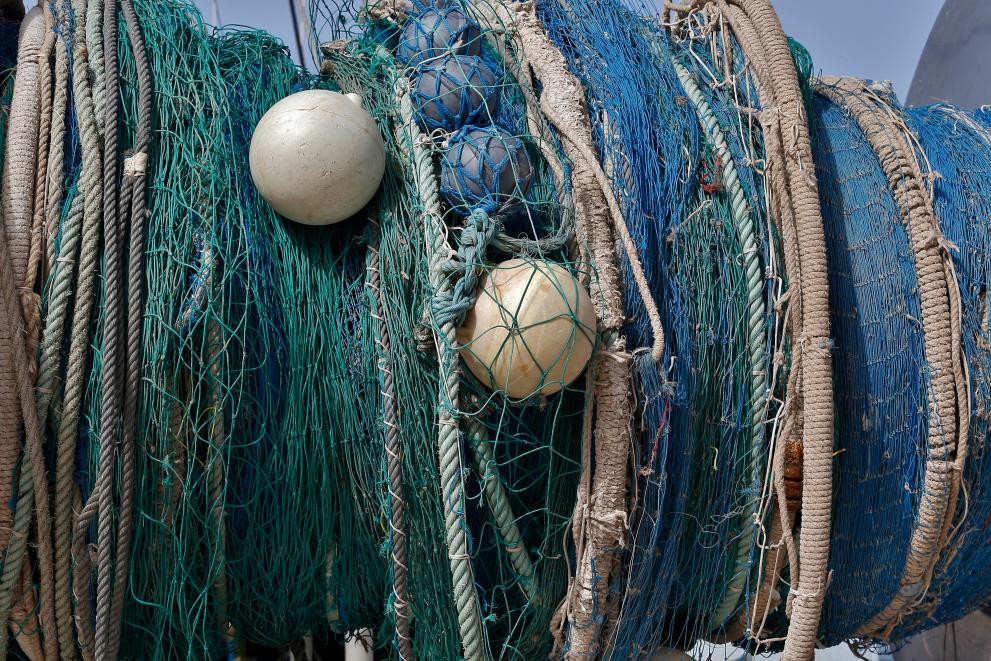
The Marine living resources sector generated more than €19.4 billion in GVA in 2020, a 0.2% decrease compared to 2019. Instead, gross profits increased by 3%, reaching €7.7 billion; while the reported turnover was about €119 billion. The sector has shown an increasing trend overtime, especially since 2013, but has suffered a slight decrease in 2020, mainly due to the COVID-19 pandemic. The EU marine living resources sector has been heavily impacted by external factors in recent years. The Trade and Cooperation Agreement (TCA), following BREXIT, gradually reduces the share of EU fishing opportunities in UK waters stocks from 2021 to 2025. The COVID-19 pandemic and public health interventions depressed demand and disrupted supply chains for many fishing businesses. Since the military invasion of Ukraine by Russia in February 2022, energy and fuel prices increased sharply and remained relatively high, heavily impacting the sector.
In 2020, the sector contributed to 15% of the EU Blue Economy GVA and 16.1% of the employment.
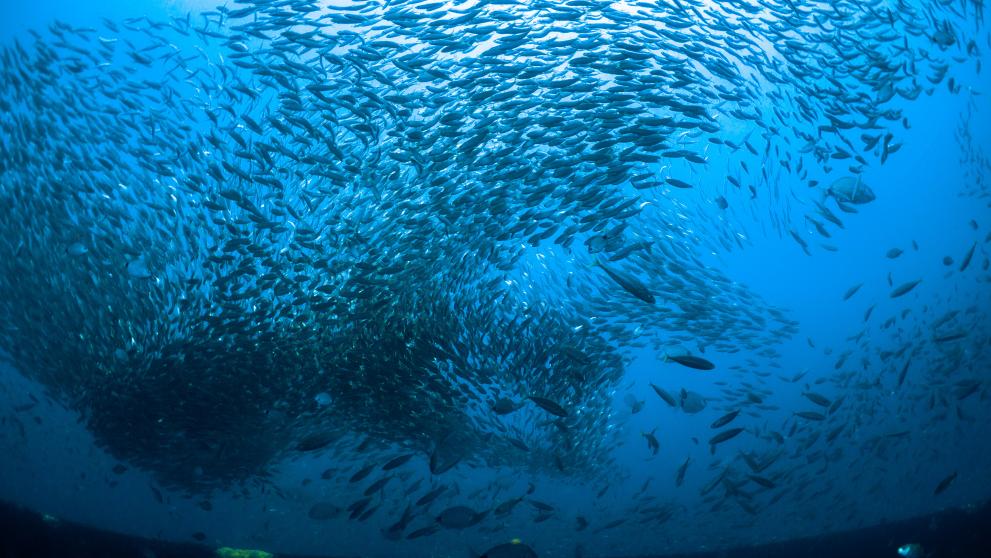
The European Union is the world's seventh-largest producer of fishery and aquaculture products, accounting for around 2% of global output (after China, Indonesia, India, Vietnam, and Peru).
Global production has remained relatively stable in recent years. In 2020, the EU had slightly more than 56 100 active vessels that landed about 3.9 million tonnes of seafood, worth EUR 5.8 billion, while the aquaculture sector produced 1.2 million tonnes, worth EUR 3.9 billion.
In 2020, the sector directly employed almost 540 thousand persons, a 2% decrease from 2019. Personnel costs totalled €11.8 billion. The annual average wage is estimated at €21.9 thousand, almost the same that in 2019.
In 2020 the industry made a gross profit of EUR 7.7 billion in 2019, a 50%-increase since 2009 (EUR 5.2 billion). Turnover reached almost EUR 129 billion, 27% more than in 2009. The sector invested (net) EUR 2.4 billion in tangible goods, a figure that has fluctuated between EUR 1.8 billion in 2011 and EUR 3.0 billion in 2009.
The economic impact of the COVID-19 pandemic on this sector was smaller than initially expected and overall profits even increased. The EU fishing fleet was more impacted, having a 7% reduction in GVA and 10% in gross profit, but all indicators were positive in 2020. This was partly due to low fuel prices that reduced operating costs of fishing, and the early response from governments to support the sector.
The Russian invasion of Ukraine and subsequent high fuel prices are jeopardising the viability of the sector, in particular of the EU fishing fleet, which is largely fuel intensive and particularly vulnerable to fuel price increases. A 10 cents increase in the fuel price per litre would lead to a profitability loss of around €185 million. Hence, the fishing fleet struggles to be viable in the short-term; but may not be viable in the long term, since it does not earn enough to be able to fully replace its capital factors (i.e., the fishing vessels) in the future.
High energy prices have also affected the aquaculture, processing and distribution industries. Prices of raw materials (e.g. soy, fishmeal and oil) have also been affected by the conflict, which means that overall prices in these industries are also influenced.
On the 21st of February 2023, the Commission presented a package which includes four communications. The main objectives of the measures are to promote the use of cleaner energy sources and reduce dependency on fossil fuels as well as reduce the sector's impact on marine ecosystems. This package includes the Communication on the Energy Transition of the EU Fisheries and Aquaculture sector with measures to improve the sustainability and resilience of the EU's fisheries and aquaculture sector.
The Marine Action Plan to protect and restore marine ecosystems for sustainable and resilient fisheries, another communication presented in the package, proposes the phasing out of mobile bottom-contact gears in all marine protected areas (MPAs) by 2030 at the latest.
Commercial fishing competes with other maritime activities in terms of resources and space. This is especially true in the areas of maritime transportation, non-living marine
resources, and ocean energy (offshore wind farms). Capture fisheries, on the other hand, may profit from port activities.
Immediate action is required to ensure the availability and quality of marine data and a willingness to follow scientific recommendations and properly implement of management measures. Many stocks are still overfished or have exceeded their biological limits. While fish stocks are improving in the North Atlantic, in the Mediterranean and Black Seas still there is a long way to go. There is a clear relation between the health of fish stocks and economic performance of the fishing sector. Indisputably, the sustainability of the fishing sector is linked with the sustainability of fish stocks. Thus, the importance to manage fisheries sustainably. There is also a need to limit fishing activities in order to safeguard and conserve seabed habitats.
Given the growing demand for seafood products and the opportunity to establish new farms, it seems reasonable to expect an increase in EU aquaculture products, particularly those with a high degree of control (e.g. in closed systems), at least in the medium term.
The Commission's strategic guidelines for a more sustainable and competitive EU aquaculture emphasise future relevance of the low trophic level aquaculture in producing sustainable seafood to meet rising global demand. Indeed, the European Commission revised its State aid rules for the agriculture, forestry, fishery, and aquaculture sectors.
Another useful resource is the EU Aquaculture Assistance Mechanism which is a service that allows EU aquaculture stakeholders to share relevant knowledge, opportunities, and experiences and where you can also find an interactive map with country-specific information for the aquaculture industry of each Member State.